

Water dispenser sourcing guide
OEM Water Dispenser Supplier: How to Choose Bottle-Hidden, Desktop and Filtration Models
A practical buyer checklist for importers and private-label brands comparing water dispenser formats, water source, functions, market configuration and quotation requirements before they contact a supplier.
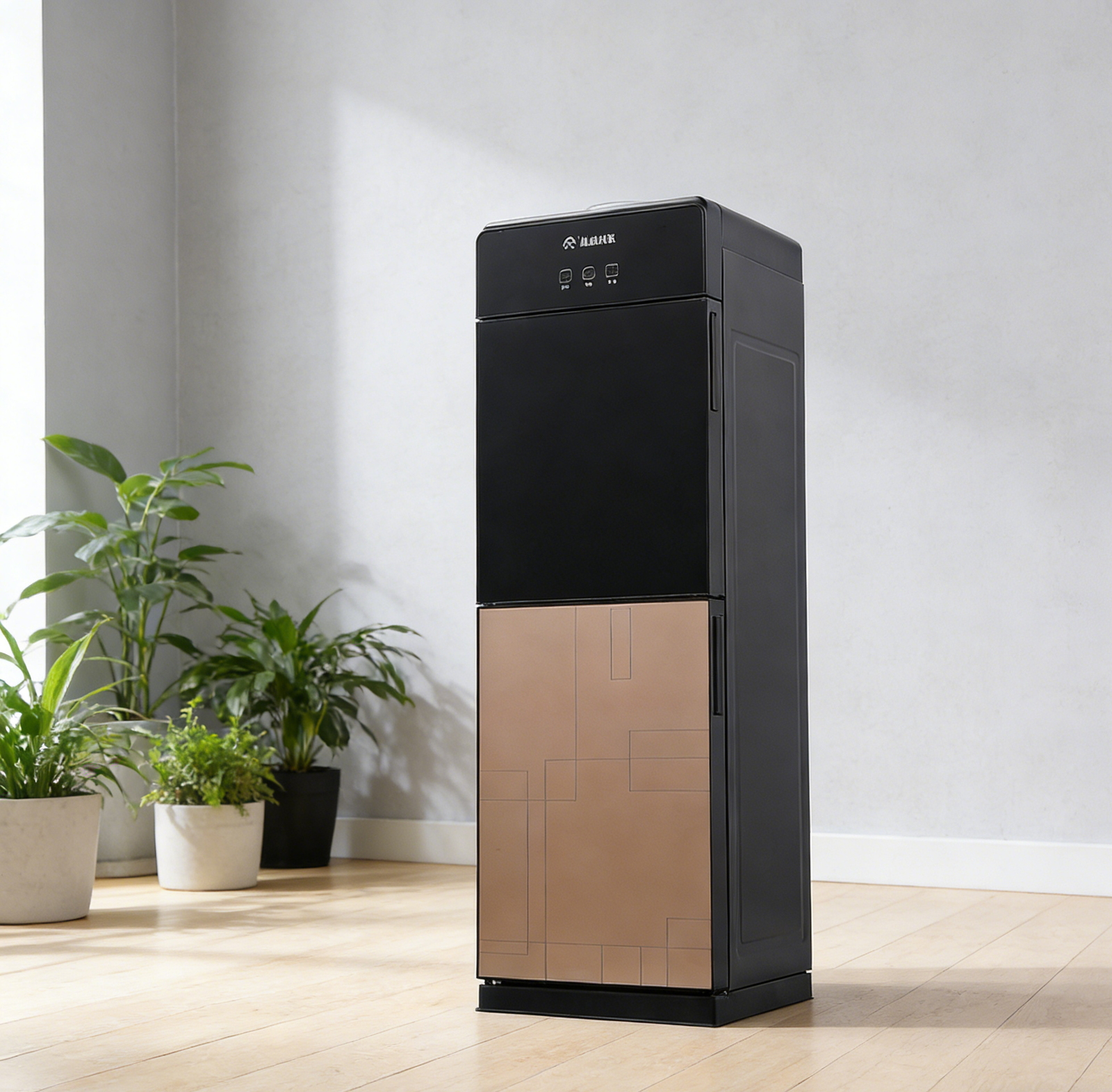
Water dispenser sourcing starts with the intended use, not with a catalogue photo. A model that fits office distribution may be the wrong choice for compact retail, and a feature that looks attractive can change installation, packaging and certification discussions. The goal of this guide is to help buyers send a clearer first inquiry and compare like-for-like options.
- Sales channel and user scenario
- Standing, desktop or bottle-hidden format
- Water source and installation expectations
- Heating, cooling and functional requirements
- Market electrical configuration and documents
- Private label, packaging and the quotation brief
1. Start with where and how the dispenser will be used
Ask whether the project is for homes, offices, retail, e-commerce or a specific hospitality channel. The answer affects the preferred footprint, appearance, bottle handling and function set. A useful first brief also states the intended price positioning, whether the product will be installed by the end user, and whether the buyer needs a compact or freestanding format.
Home and retail projects
Appearance, footprint, intuitive use and packaging presentation are often central. Compact desktop and bottle-hidden formats may be worth comparing.
Office and shared-use projects
Daily use volume, hot/cold demand, bottle handling, child safety and placement space should be clarified early.
2. Select the format before comparing styling details
Whalex Global currently groups water dispensers into standing, desktop, bottle-hidden, glass-panel, ice-making and filtration-related series. These are not interchangeable variants; each starts with a different user scenario.
Standing and bottle-hidden
Useful when the product needs a freestanding presence. A hidden-bottle layout can support a cleaner retail appearance while keeping bottle-fed use in mind.
Desktop and filtration-related
Useful where counter space, compact placement or a specific water-source approach drives the decision. Confirm the installation and filter expectation by the selected model.
For the full series overview, see the OEM Water Dispenser product page. It is better to shortlist two or three suitable formats than to request a price for every model at once.
3. Clarify water source and the function set
Before a supplier can recommend the right model, they need to know whether the target project is bottle-fed, bottom-loading, desktop-tank based or related to a filtration configuration. The selected water source influences the product structure, user experience and the questions that need to be answered about maintenance or installation.
- Do you need hot, cold and normal water, or only part of that combination?
- Is ice-making or filtration part of the product concept, or simply an option being considered?
- What daily usage scenario should the model support?
- Who will install, refill or maintain the unit after sale?
Buyer tip: Describe the target use first, then ask the supplier which series fits it. Avoid treating every optional function as a default requirement; it can make the quotation less comparable.
4. Confirm electrical configuration and market requirements early
Share the destination market, voltage, frequency and plug requirement at the first quotation stage. Certification document availability is model and market specific, so the practical question is not simply whether a supplier “has certificates”, but whether the selected model can support the documentation required for your destination market.
For a private-label project, also specify the manual language, warning label needs and any packaging marks that your sales channel requires.
5. Treat private label as a project, not just a logo request
Logo treatment, panel details, product colour, gift box, outer carton and user manual language can all affect the commercial discussion. The supplier will normally need the chosen model, estimated order quantity and target market before confirming which customization items are practical.
Useful first inputs
Target market, sales channel, preferred series, estimated quantity, voltage and plug, function needs, packaging direction and required documents.
Useful next questions
Sample timing, artwork approval process, packaging revisions, production lead time and the precise quotation scope.
6. Send a cleaner first inquiry
A well-structured inquiry helps both sides move faster. It makes it easier to compare options and reduces the back-and-forth that usually appears after a generic “please quote” message.
- Target market and sales channel
- Interested format: standing, desktop, bottle-hidden, glass-panel, ice-making or filtration-related
- Preferred water source and functions
- Voltage, frequency and plug requirement
- Estimated quantity and required delivery timing
- Logo, packaging, manual language and documentation requirements
Planning an OEM water dispenser project?
Share the target market, preferred series, quantity and customization requirements. We will help compare the suitable options and prepare the quotation discussion.